Last updated August 16, 2026
The Best Tours & Places to Visit in Montana
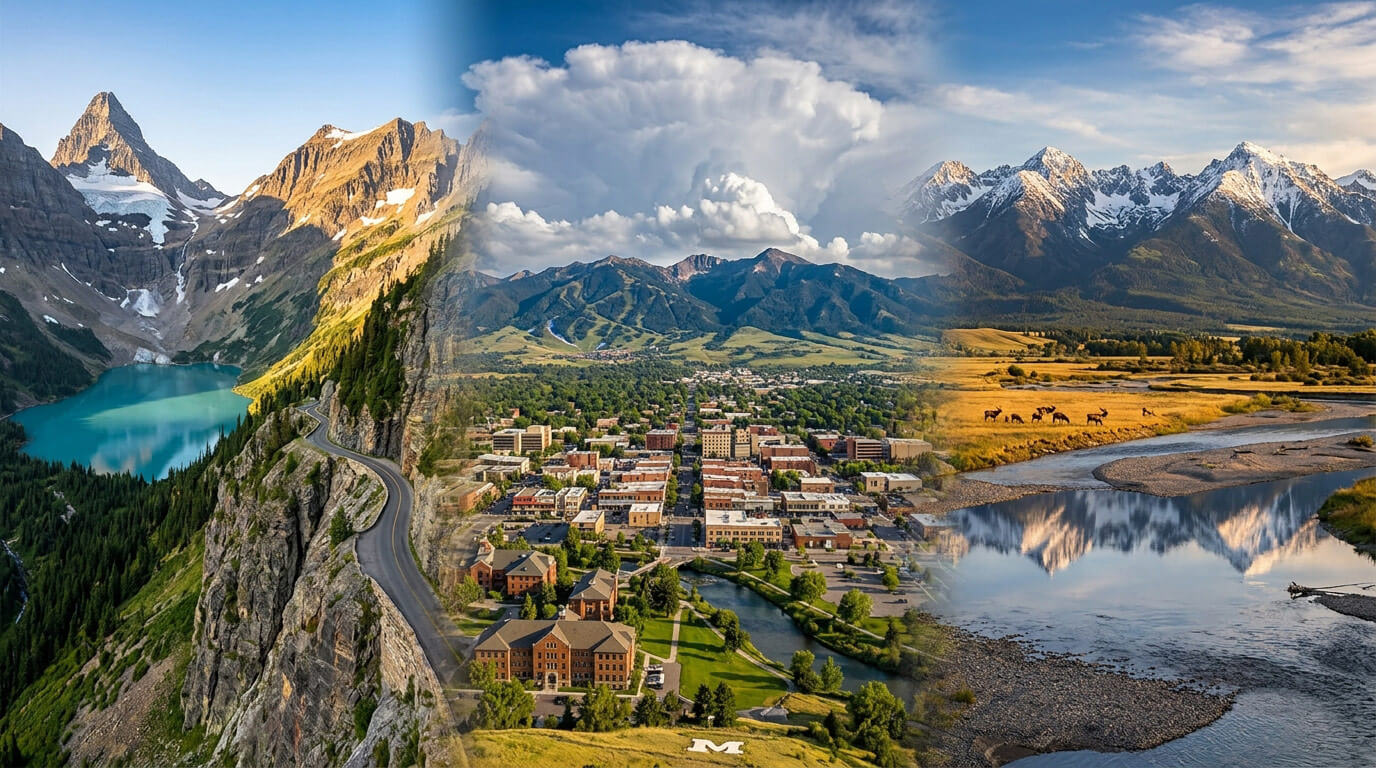
Montana lives up to its Big Sky Country nickname, the fourth-largest state by area but with a population smaller than many single cities, leaving vast stretches of mountain, prairie, and river valley with almost nobody around. From the glacier-carved peaks of Glacier National Park to Yellowstone's northern gateway towns, the fly-fishing rivers around Bozeman, and the site of Custer's Last Stand at Little Bighorn, Montana rewards travelers willing to drive long distances for scenery most states simply do not have. Whether you are searching for the best tours in Montana, tickets to top Montana attractions, the best places to visit in Montana, or simply the most memorable things to do in Montana, this guide covers everything worth knowing before you go.
Top Attractions, Tours and Tickets in Montana
Glacier National Park
Glacier National Park holds more than 700 lakes and dozens of remnant glaciers across a landscape carved dramatically by ice age glaciation, with the Going-to-the-Sun Road ranking among the most spectacular mountain drives in the National Park System. Fewer than 30 of the park's original glaciers remain today, a visible reminder of how quickly the landscape is changing, and the park's free shuttle system helps manage the limited parking along the Sun Road during peak summer months. Guided summer driving tours with lunch cover the Sun Road's key stops, including Lake McDonald and Logan Pass, without requiring visitors to navigate the road's narrow, cliffside sections themselves, and whitewater rafting on the Middle Fork of the Flathead River offers a lower-elevation alternative for travelers visiting outside the Sun Road's short summer opening window.
Book a Glacier National Park Driving Tour →Yellowstone's Montana Gateways
Gardiner, Montana, sits directly at Yellowstone's original north entrance beneath the historic Roosevelt Arch, and unlike several of the park's other gateway towns, it remains open to vehicle traffic year-round, making it a genuine four-season base for visiting the park. The Lamar and Hayden Valleys, both easily reached from Gardiner, rank among the best wildlife viewing areas in North America, regularly producing sightings of wolves, grizzly bears, and massive bison herds. Guided tours from Gardiner covering Old Faithful and the park's geothermal features reach deep into Yellowstone's interior, and West Yellowstone, Montana's other major gateway town, offers similar access from the park's west entrance for visitors approaching from Idaho or western Montana.
Book a Yellowstone Tour from Gardiner →Bozeman and Big Sky Country
Bozeman has grown rapidly in recent years into one of the most desirable small cities in the Mountain West, anchored by Montana State University and a walkable Main Street that has kept much of its historic character despite the growth. The Museum of the Rockies, home to one of the largest Tyrannosaurus rex fossil collections in the world, reflects the region's significance in dinosaur paleontology, and Bozeman's proximity to both Yellowstone and Big Sky Resort, one of the largest ski areas in the country, makes it a practical base for exploring both. Guided day tours of Yellowstone's Upper Loop from Bozeman cover Mammoth Hot Springs and the Lamar Valley in a single day trip, sparing visitors the drive to a gateway town.
Book a Yellowstone Upper Loop Tour from Bozeman →Missoula and Western Montana
Missoula sits at the confluence of five mountain valleys and the Clark Fork River, and its downtown has built a strong reputation for independent bookstores, breweries, and a genuine college-town energy fueled by the University of Montana. The city's history runs through fur trading, timber, and the railroad, all covered in depth on guided walking tours that dig into the more colorful chapters of its past, including its early Freemasons and railroad tycoons. Historic downtown walking tours cover that history in about 90 minutes, and the surrounding Bitterroot and Blackfoot River valleys offer some of the least crowded fly-fishing and hiking in western Montana.
Book a Missoula Historic Walking Tour →Little Bighorn Battlefield
Little Bighorn Battlefield National Monument preserves the site of the 1876 battle in which Lieutenant Colonel George Custer and roughly 260 soldiers of the 7th Cavalry were killed by a combined force of Lakota, Cheyenne, and Arapaho warriors, one of the most decisive Native American victories of the Plains Wars. White marble markers scattered across the hillside show where individual soldiers fell, and a 4.5-mile self-guided driving route connects Last Stand Hill with the Reno-Benteen Battlefield further south. The visitor center's museum places the battle within the broader context of U.S. and Native American relations in the decades surrounding it, and the site remains managed directly by the National Park Service with self-guided cell phone audio tours rather than third-party guided options.
Montana's Rivers and Fly Fishing
Montana's blue-ribbon trout streams, including the Madison, Gallatin, and Bighorn Rivers, have made the state one of the top fly-fishing destinations in the world, a reputation cemented further by the 1992 film A River Runs Through It, filmed largely on the Gallatin River near Bozeman. Licensed outfitters throughout the state offer guided float and wade trips targeting rainbow and brown trout, and the sport supports a genuine year-round tourism economy in towns that would otherwise depend entirely on the short summer season. The Smith River, accessible only by permit through a competitive lottery system, offers one of the most sought-after multi-day float trips in the country, passing through a limestone canyon reachable no other way.
Helena and Montana's Mining History
Helena was founded in 1864 after four prospectors struck gold in a gulch that would later be paved over and become the city's main street, and the wealth generated in the following boom years built the elaborate Montana State Capitol and a downtown of Gilded Age architecture unusual for a city this size. Butte, further southwest, tells an even larger version of the same story, having produced more copper than almost anywhere else in the country during the late 19th and early 20th centuries, with its well-preserved uptown historic district still ringed by massive open pit mining scars, including the toxic Berkeley Pit, now a strange and sobering tourist attraction in its own right. Both cities offer a genuinely different side of Montana than its wilderness reputation suggests, built on industrial wealth rather than scenery alone.
Major Cities and Places to Visit in Montana
- Bozeman Tours & Tickets - A fast-growing mountain town home to Montana State University and easy access to Yellowstone
- Missoula Tours & Tickets - A college and outdoor recreation hub at the confluence of five river valleys
- Whitefish Tours & Tickets - A ski and lake resort town and one of the main gateways to Glacier National Park
- West Glacier Tours & Tickets - The main western entrance town for Glacier National Park
- Gardiner Tours & Tickets - Yellowstone's original north entrance town, home to the historic Roosevelt Arch
- Big Sky Tours & Tickets - A major ski resort town between Bozeman and Yellowstone's west entrance
- Helena Tours & Tickets - Montana's state capital, built on a former gold rush boomtown
- Billings Tours & Tickets - Montana's largest city, set along the Yellowstone River near sandstone rimrocks
- Kalispell Tours & Tickets - The main hub city for the Flathead Valley and Glacier National Park's southern approach
- Butte Tours & Tickets - A former copper mining boomtown with a well-preserved historic uptown district
Universities, Colleges and Sports Teams in Montana
- University of Montana in Missoula - The state's flagship liberal arts-focused university, set against the base of Mount Sentinel.
- Montana Grizzlies (sports team) in Missoula - NCAA Division I FCS program with one of the most passionately followed football fan bases in the country relative to the state's population.
- Montana State University in Bozeman - The state's land-grant university, with strong engineering and agricultural programs.
- Montana State Bobcats (sports team) in Bozeman - NCAA Division I FCS program and rival of the Montana Grizzlies in the Brawl of the Wild, one of the sport's most-attended FCS rivalries.
Montana Demographics and Population
According to the 2024 American Community Survey, Montana has a population of approximately 1,116,875 people across 145,552 square miles, ranking it 44th among U.S. states by population. The median household income is $72,509, and the largest racial and ethnic groups are Asian (1.1%), White (84.9%), Hispanic (4.9%), American Indian and Alaska Native (5.8%), and Black or African American (0.6%). The median age is 40.0 years. Approximately 7.1% of residents live below the poverty line, compared to the national rate of 12.2%. Montana's economy is anchored by agriculture, particularly cattle ranching and wheat, a growing outdoor recreation and tourism industry built around Glacier and Yellowstone National Parks, mining, including historic copper production around Butte, and a small but growing technology sector centered on Bozeman and Missoula.
When to Visit Montana
Summer (June through August) is the best time to visit Montana. The best time to visit Montana for most travelers. The Going-to-the-Sun Road is fully open, Yellowstone's wildlife is most active, and mountain trails across the state are clear of snow. Fall (September through November): A quiet, increasingly popular shoulder season, with golden larch trees turning color in Glacier and elk bugling season bringing some of the best wildlife viewing of the year. Winter (December through February): Cold and snowy, with Big Sky and Whitefish Mountain Resort both running full ski operations, though the Going-to-the-Sun Road closes for the season and many rural roads become impassable. Spring (March through May): An unpredictable transition season, with lingering snow at higher elevations, though it also marks the start of prime fly-fishing season on Montana's rivers.
Frequently Asked Questions About Touring Montana
Official Montana Resources
The following official government websites provide additional planning resources, park information, and historical records for travelers visiting Montana.
| Resource | Description | Website |
|---|---|---|
| State of Montana | Official state government portal with links to all state agencies and services | mt.gov |
| Visit Montana | Official state tourism website with travel guides and trip planning tools | visitmt.com |
| Montana Fish, Wildlife and Parks | State agency overseeing Montana state parks, wildlife, and fishing and hunting regulations | fwp.mt.gov |
| Glacier National Park | Official National Park Service site for Glacier, including Going-to-the-Sun Road status and vehicle reservations | www.nps.gov/glac |
| Yellowstone National Park | Official National Park Service site for Yellowstone, including entrance and road information | www.nps.gov/yell |
| Little Bighorn Battlefield National Monument | Official National Park Service site for Little Bighorn Battlefield | www.nps.gov/libi |
| Montana Historical Society | State agency preserving historical government records and operating the Montana Heritage Center | mhs.mt.gov |
| Montana Census Data | Official U.S. Census Bureau QuickFacts for Montana population and demographic statistics | www.census.gov/quickfacts/MT |